Diabetes Eye Exams When Your Vision Seems Fine
Seeing clearly does not rule out early diabetes-related eye changes. Learn when to have an eye exam, what to bring, and which symptoms need urgent care.
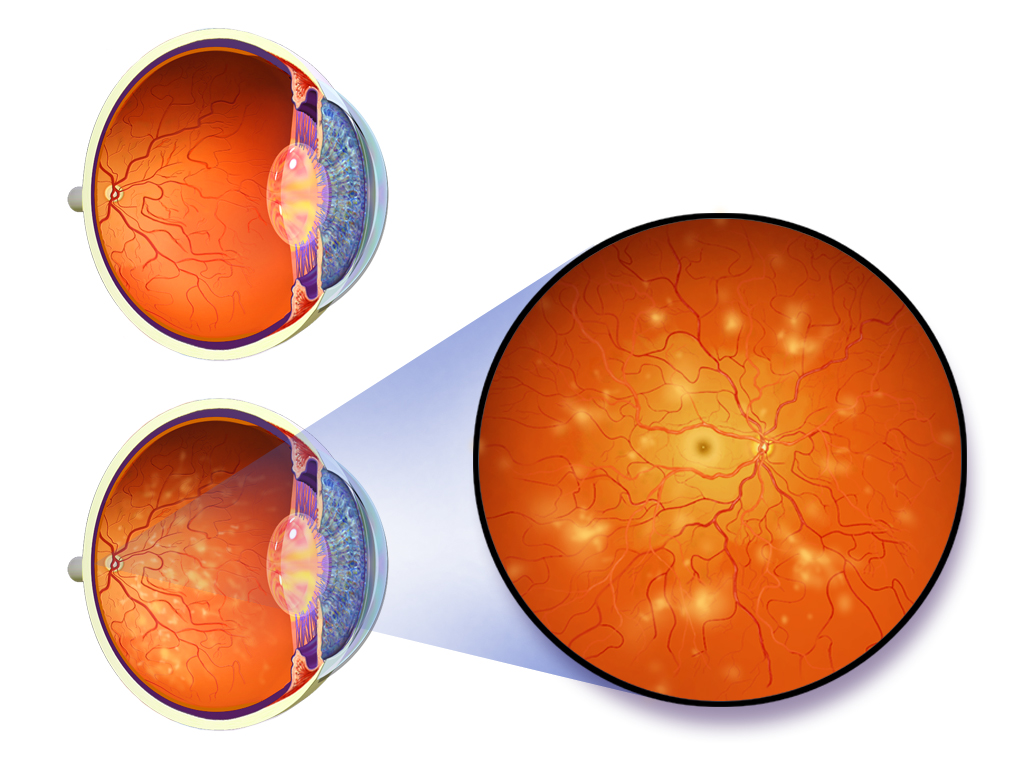
Illustration: BruceBlaus / Blausen Medical, CC BY 3.0.

By Scott Schwartz
You can read your phone, recognize faces, and drive without noticing a change. If you have diabetes, it is reasonable to wonder why an eye exam still needs a place on your calendar. The important point is that early diabetes-related eye disease may not affect how clearly you see.
My view is that clear vision is a good reason to feel encouraged, but it shouldn't decide when your next diabetes eye exam happens. I'd rather help you make a plan while things are going well.
Clear vision does not tell the whole story
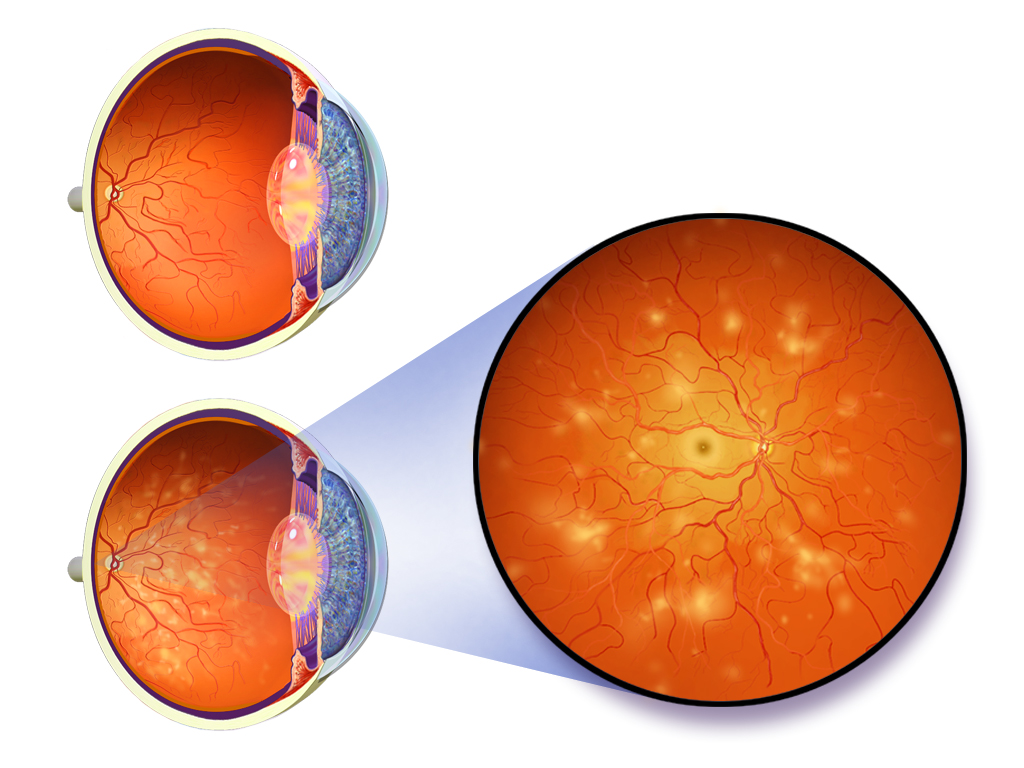
Diabetic retinopathy develops when diabetes damages small blood vessels in the retina, the light-sensitive tissue at the back of the eye. Early changes can develop without obvious symptoms. Reading an eye chart well cannot, by itself, tell us whether those blood vessels are healthy.
An eye exam gives us a chance to look for changes before they become noticeable in everyday life. If a problem is found, the next step depends on the findings. It may involve closer monitoring, additional testing, or care from a retina specialist.
Source: CDC — Vision Loss and Diabetes
Source: American Diabetes Association — Diabetes and Your Eyes
Know when you are due
For adults with type 2 diabetes, the first diabetes eye exam is recommended at diagnosis. For type 1 diabetes, it is generally recommended within five years of diagnosis. Most people with diabetes need a complete eye exam once a year, although your own care team may recommend a different schedule.
If you already have retinopathy, follow the return date your eye doctor recommends rather than waiting for the next annual reminder. If you have diabetes and are planning a pregnancy, discuss eye care beforehand because your monitoring needs may change.
Source: NIDDK — Diabetic Eye Disease
Make the visit easier to plan
During a dilated exam, drops widen your pupils so the doctor can examine the inside of your eyes. Your visit may also include a vision check, eye-pressure measurement, and retinal imaging when appropriate. Ask which tests you need and what each one tells us.
Dilation can temporarily blur vision and increase sensitivity to light. Bring sunglasses and plan a ride if you may not be comfortable driving afterward. Allow time for the drops to work and ask the office about the expected visit length.
Source: American Diabetes Association — What to Expect at Your Eye Exam
Helpful things to bring include:
Your current glasses and a medication list
The type of diabetes you have, when it was diagnosed, and your most recent A1C result if you know it
Previous eye records and any changes in vision you have noticed
Before you leave, ask: Are there any diabetes-related changes? When should I return? Is any additional testing or specialist care needed?
Keep the rest of your care connected
Work with your diabetes care team on the blood glucose, blood pressure, and cholesterol goals that are right for you. These all matter for eye health. If you smoke, ask for help quitting. Those steps and regular eye care work together to lower risk; neither can promise that an eye problem will never develop.
Source: CDC — Vision Loss and Diabetes
Do not wait for a routine visit if vision changes suddenly
Sudden vision loss, new flashes with many floaters, or a curtain or shadow across your vision needs immediate eye care. Contact an eye doctor right away or go to an emergency department if immediate eye care is unavailable. Do not wait for a scheduled appointment.
Source: NIDDK — Diabetic Eye Disease
Our practice evaluates eye health, including signs of diabetic retinopathy, and helps determine whether monitoring, further testing, or specialist care is needed. To arrange an eye health appointment at Dr. Schwartz Optometrist & Associates in Clinton Township, call 586-939-1122.