When Your Contact Lenses Stop Feeling Comfortable
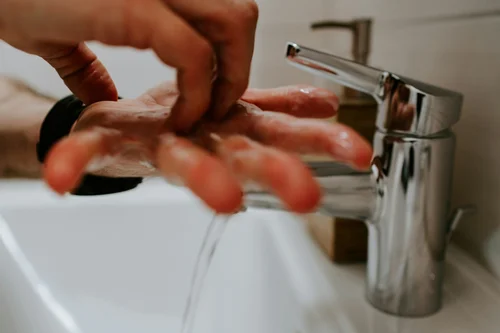
Photo: Claudio Schwarz / Unsplash
Your contacts feel fine in the morning, but by the end of the day you are counting the minutes until you can take them out. Or a lens that used to feel comfortable suddenly starts bothering you. Either pattern is worth paying attention to.
My view is that pushing through contact lens discomfort is a poor trade. I would rather understand what is causing it than have you keep buying products and hoping something helps. Comfort, clear vision, and healthy eyes all belong in the same conversation.
First decide whether the symptoms are urgent
Remove uncomfortable lenses and contact your eye doctor. Redness, pain, light sensitivity, discharge, or sudden blurry vision can signal an infection. Contact your doctor immediately if these occur, and do not put the lenses back in until the doctor says it is safe. If prompt eye care is unavailable, seek urgent in-person care. Sudden vision loss or severe pain warrants immediate emergency care.
Source: CDC — Contact Lens Related Eye Infections and Symptoms
https://www.cdc.gov/contact-lenses/causes/index.html
A lens problem cannot reliably be judged by how it looks in the mirror. FDA guidance explains that infections and corneal ulcers can develop quickly. Do not use a routine online appointment request for urgent symptoms or wait for a returned message while symptoms worsen.
Source: FDA — Contact Lens Risks
https://www.fda.gov/medical-devices/contact-lenses/contact-lens-risks
Look at the eye and the routine together
Dry eye, allergies, and irritation are among the problems associated with contact lens wear. Dry eye can happen when tears evaporate too quickly or do not work properly. An evaluation helps clarify whether the eye surface, the lens, or another issue needs attention.
Source: CDC — Conditions Associated With Contact Lens Wear
https://www.cdc.gov/contact-lenses/causes/index.html
Source: AAO EyeWiki — Dry Eye Syndrome
https://eyewiki.aao.org/Dry_Eye_Syndrome
For a non-urgent discussion, bring your lens packaging, the solution you use, and a list of any eye drops. Note how many hours you wear lenses and when symptoms begin. Mention screen time, recent changes to products, and any sleeping, showering, or swimming in lenses. Useful details are more helpful than a perfect answer.
Check the basics before your next lens order
Wash and dry your hands before handling lenses, and follow the prescribed replacement schedule.
Keep lenses away from water. Use the recommended disinfecting solution and fresh solution each time, without topping off old solution.
Keep backup glasses available. Do not sleep in lenses unless your eye care professional specifically directs it.
Source: CDC — Preventing Eye Infections When Wearing Contacts
https://www.cdc.gov/contact-lenses/prevention/index.html
Different lens brands are not automatically interchangeable. An examination and fitting should guide a change, even when the prescription numbers look similar. Ask what the proposed change is meant to improve and when the result should be reviewed.
Source: FDA — Buying Contact Lenses and Avoiding Unapproved Substitutions
https://www.fda.gov/medical-devices/contact-lenses/buying-contact-lenses
Plan the next conversation
For recurring comfort concerns without urgent symptoms, call Dr. Schwartz Optometrist & Associates in Clinton Township at 586-939-1122 to discuss an evaluation. Ask whether your lens choice, wearing schedule, or eye health needs a closer look. The goal is a plan you can understand and follow.
Learn more: Contact Lens Services at Dr. Schwartz Optometrist & Associates
https://www.drschwartzoptometrist.com/general-information2